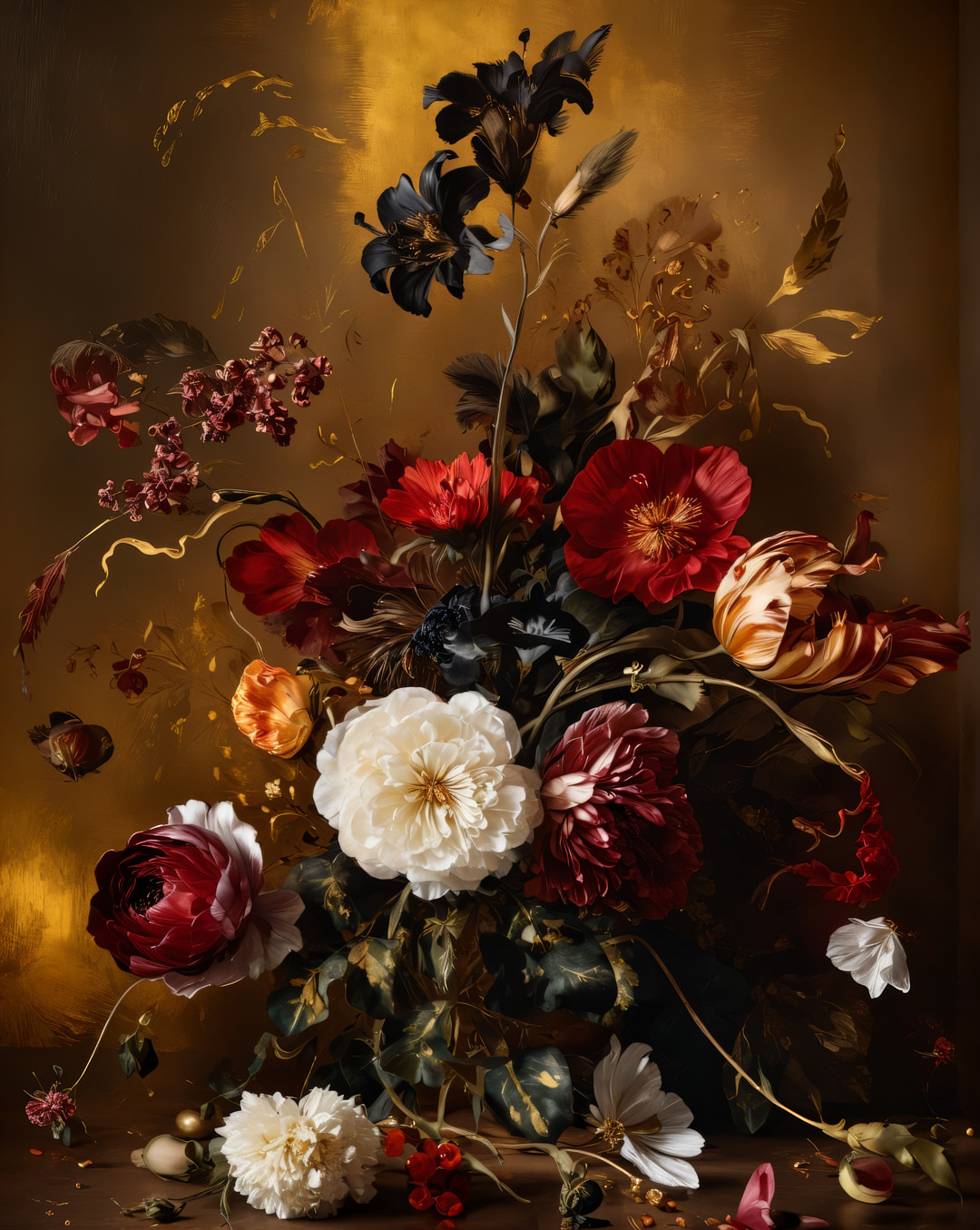
Throughout his practice, Banton aims to uncover the hidden structures and beauty in the natural world around us, making the invisible visible.
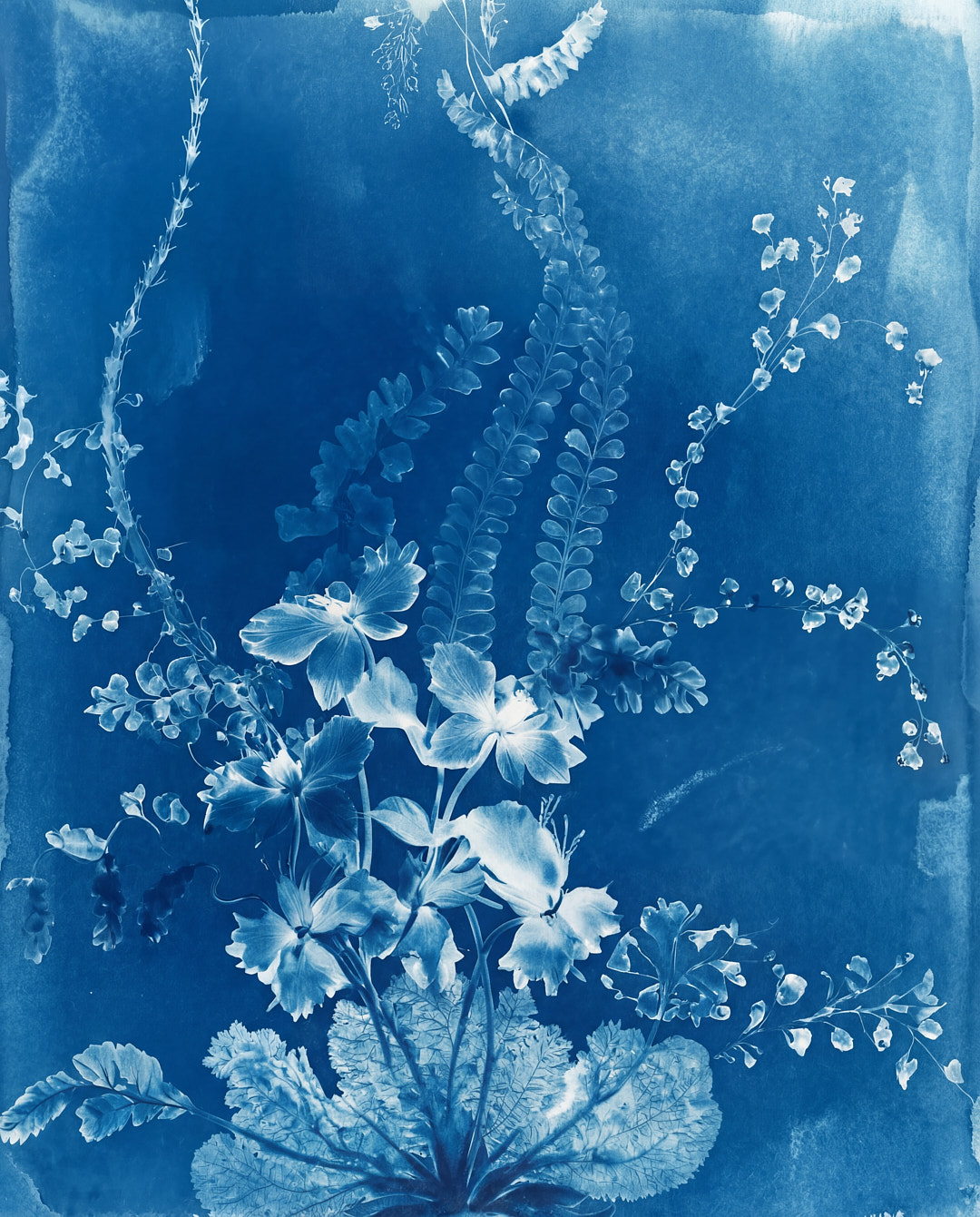
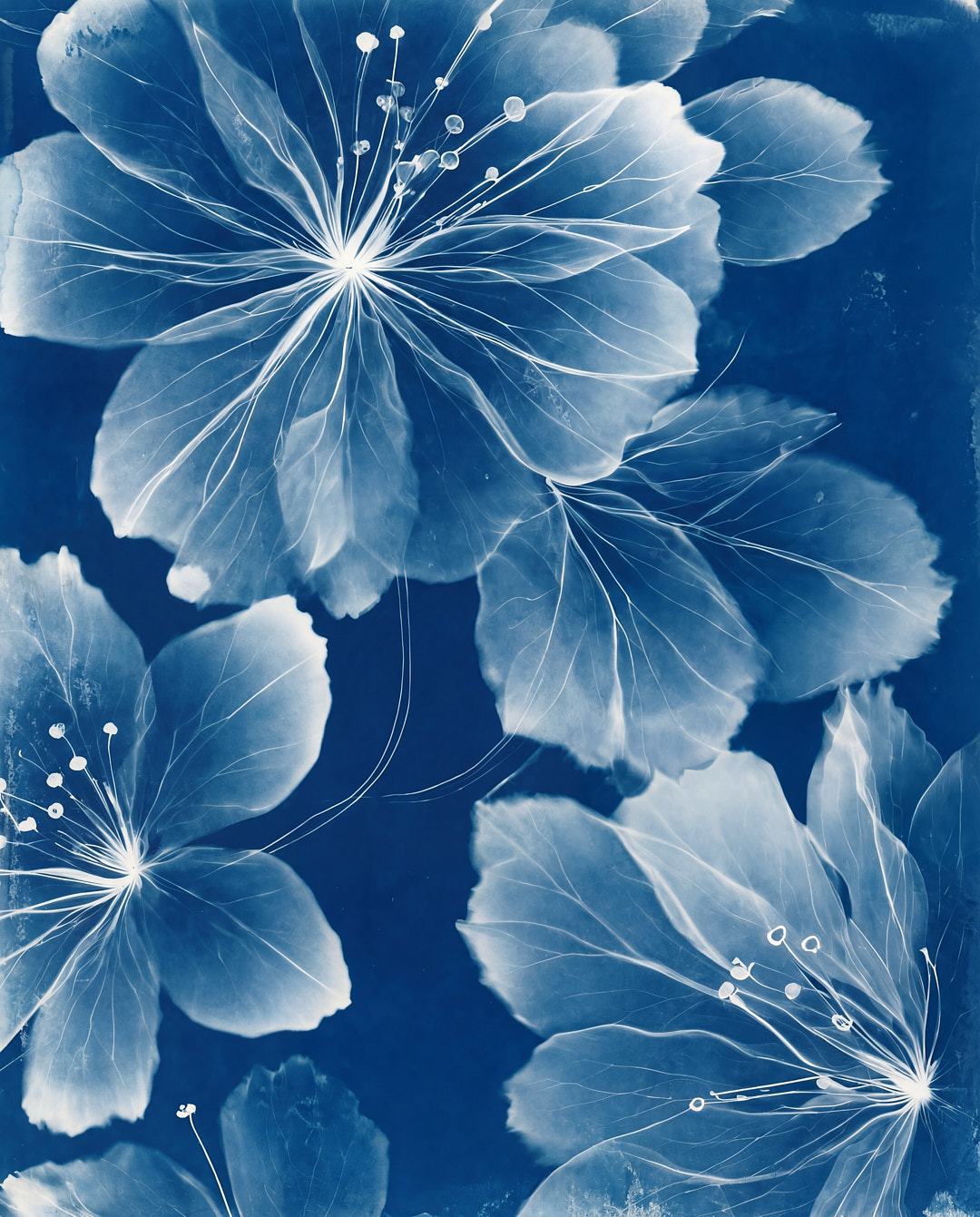
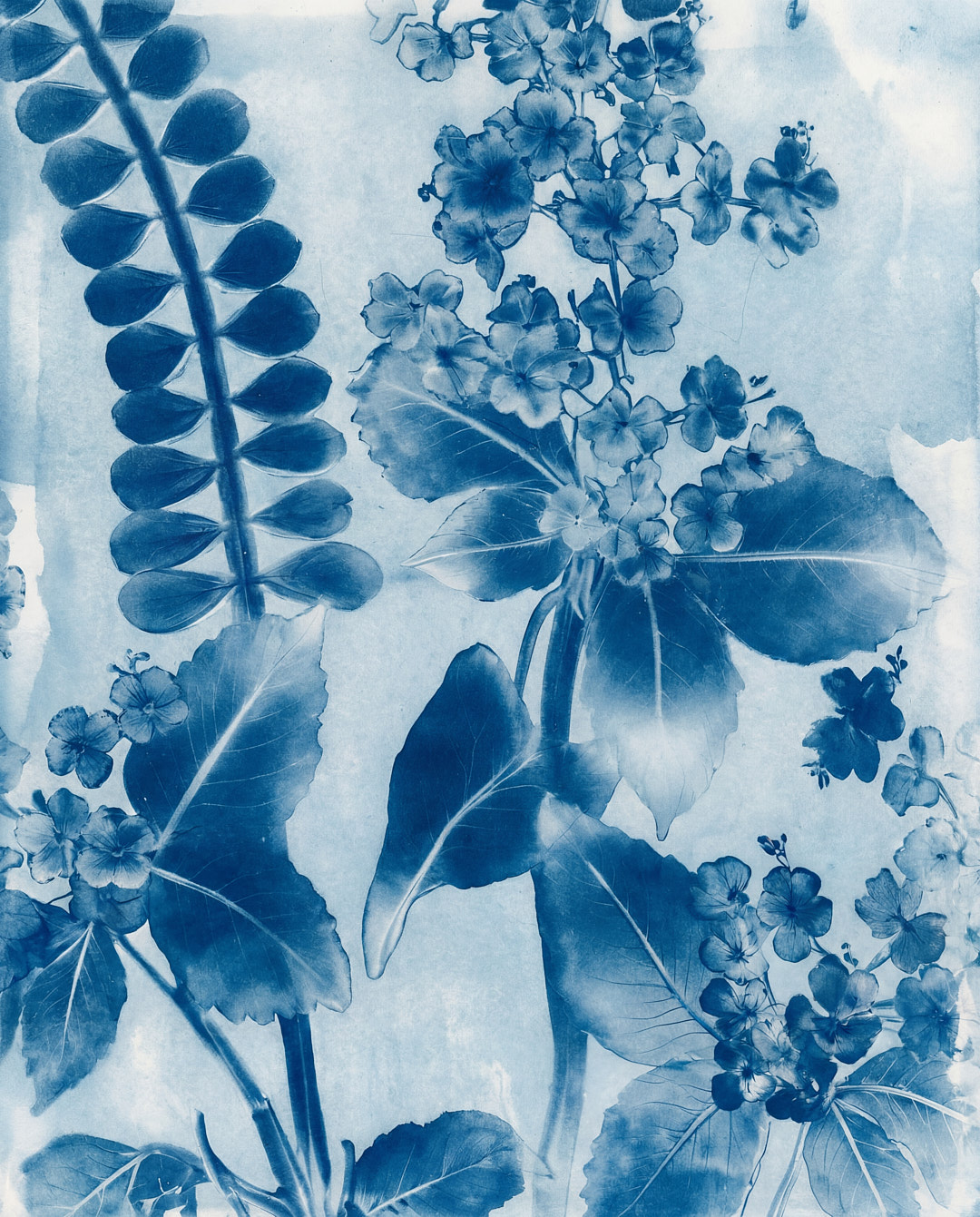
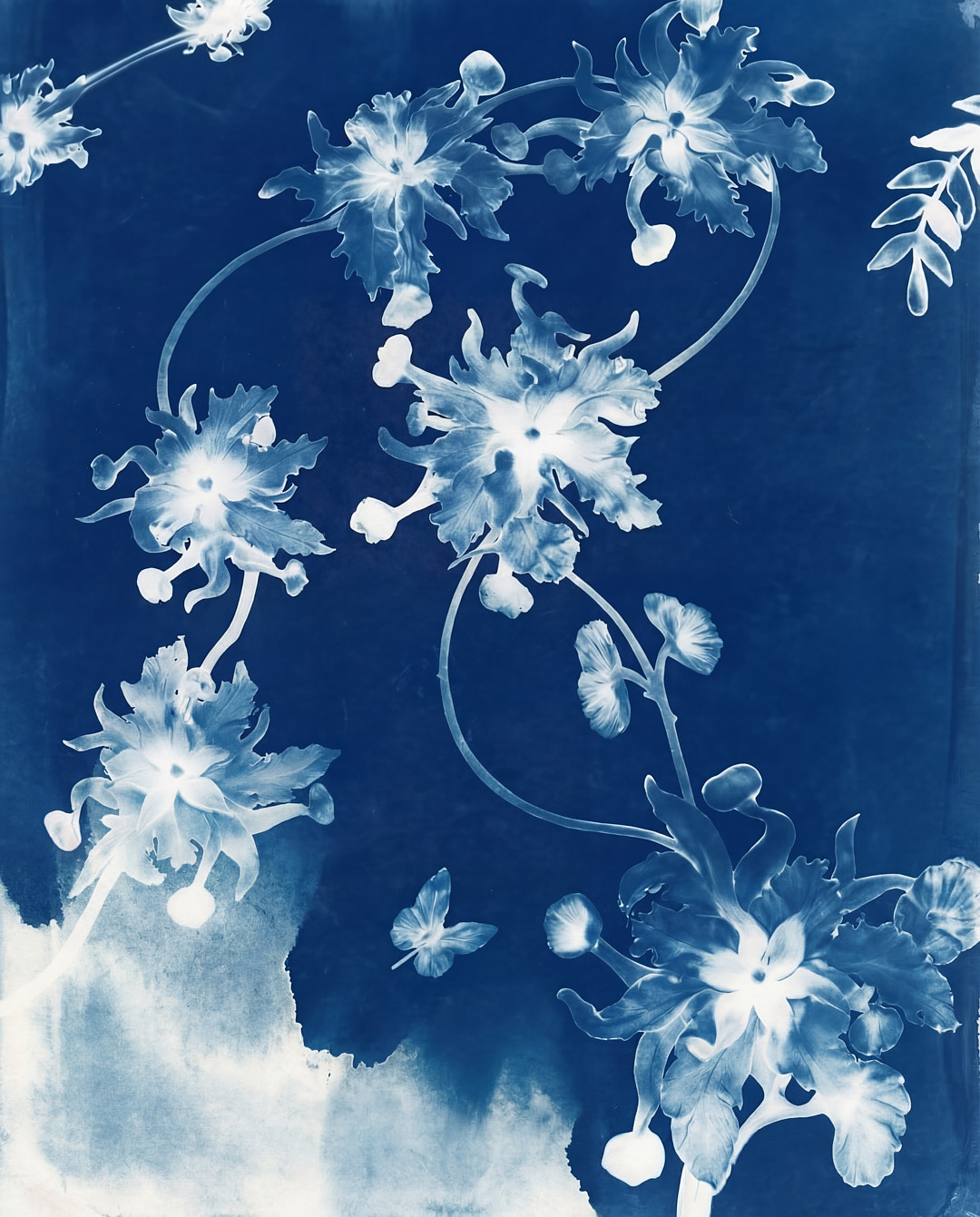
Each work in Kind of Blue (Variations I-X) is a handmade cyanotype, one of photography's oldest processes.
Through this process, Banton is able to reduce the flowers to their essential forms, revealing the inner geometries of his subjects and
exposing each vein, curve and silhouette.
Banton begins by coating sheets of heavyweight cotton rag paper with a light- sensitive chemical solution, working in total darkness. A large-format negative
is then pressed directly against the coated paper. The two are held together
within a frame, which Banton hangs outside his studio window for around
twenty minutes. The intensity of the sunlight shapes the depth of the final blue.
The series’ title, Kind of Blue, is a reference to the seminal album by Miles
Davis. Banton’s practice is heavily inspired by music, and jazz in particular. His
titles often draw from songs and albums that have shaped his life and relate to
the mood of a particular artwork. This series of unique cyanotypes, especially
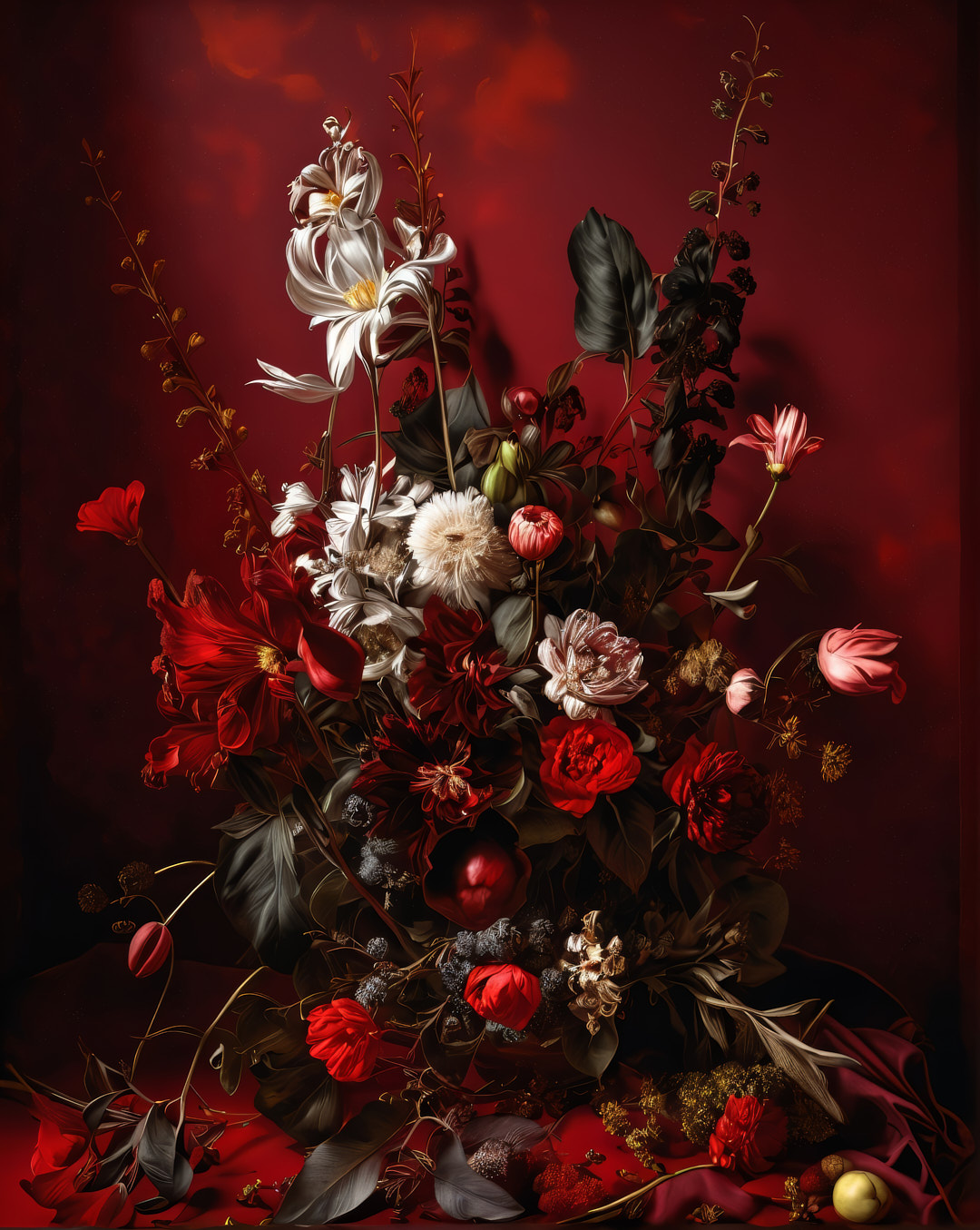
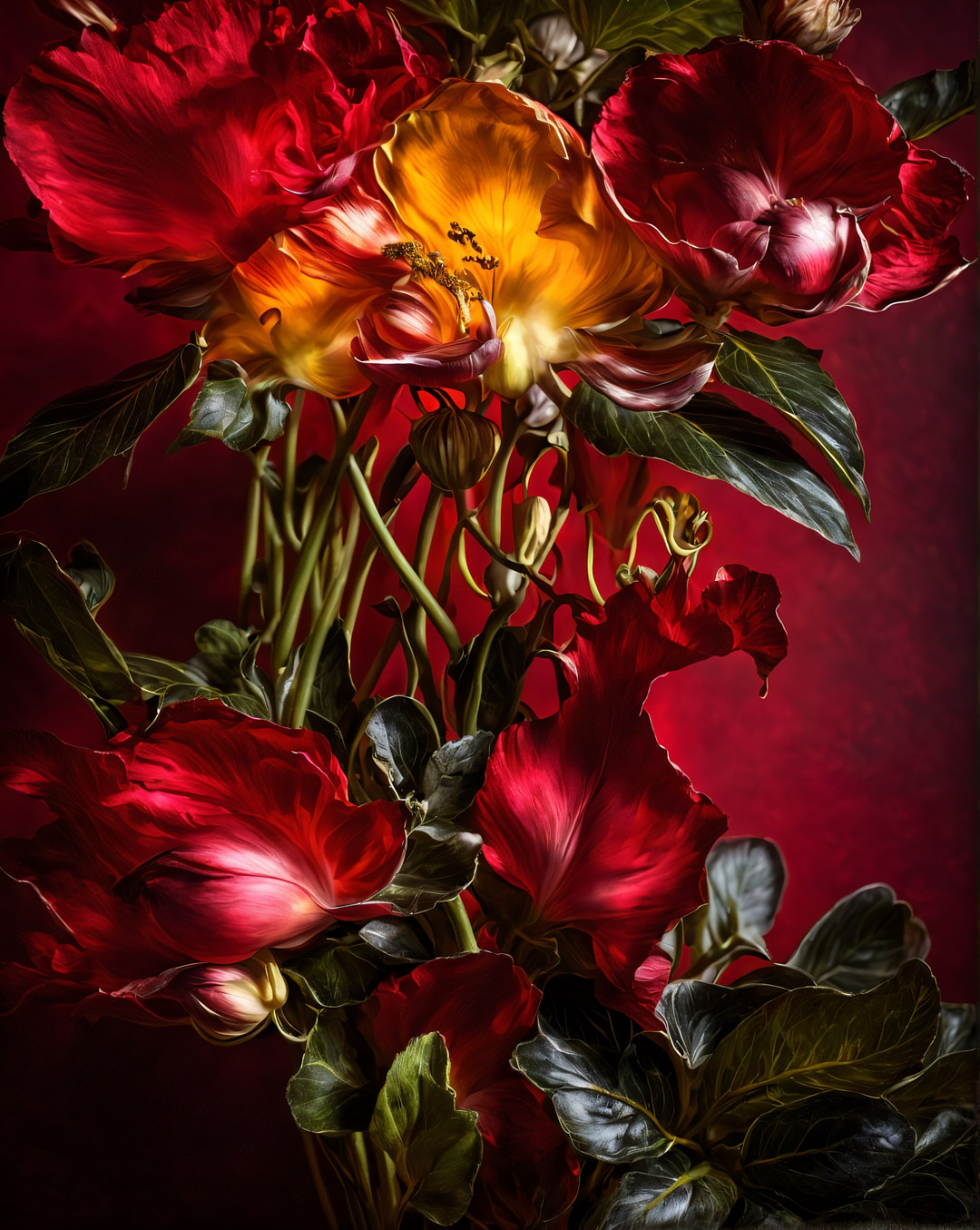
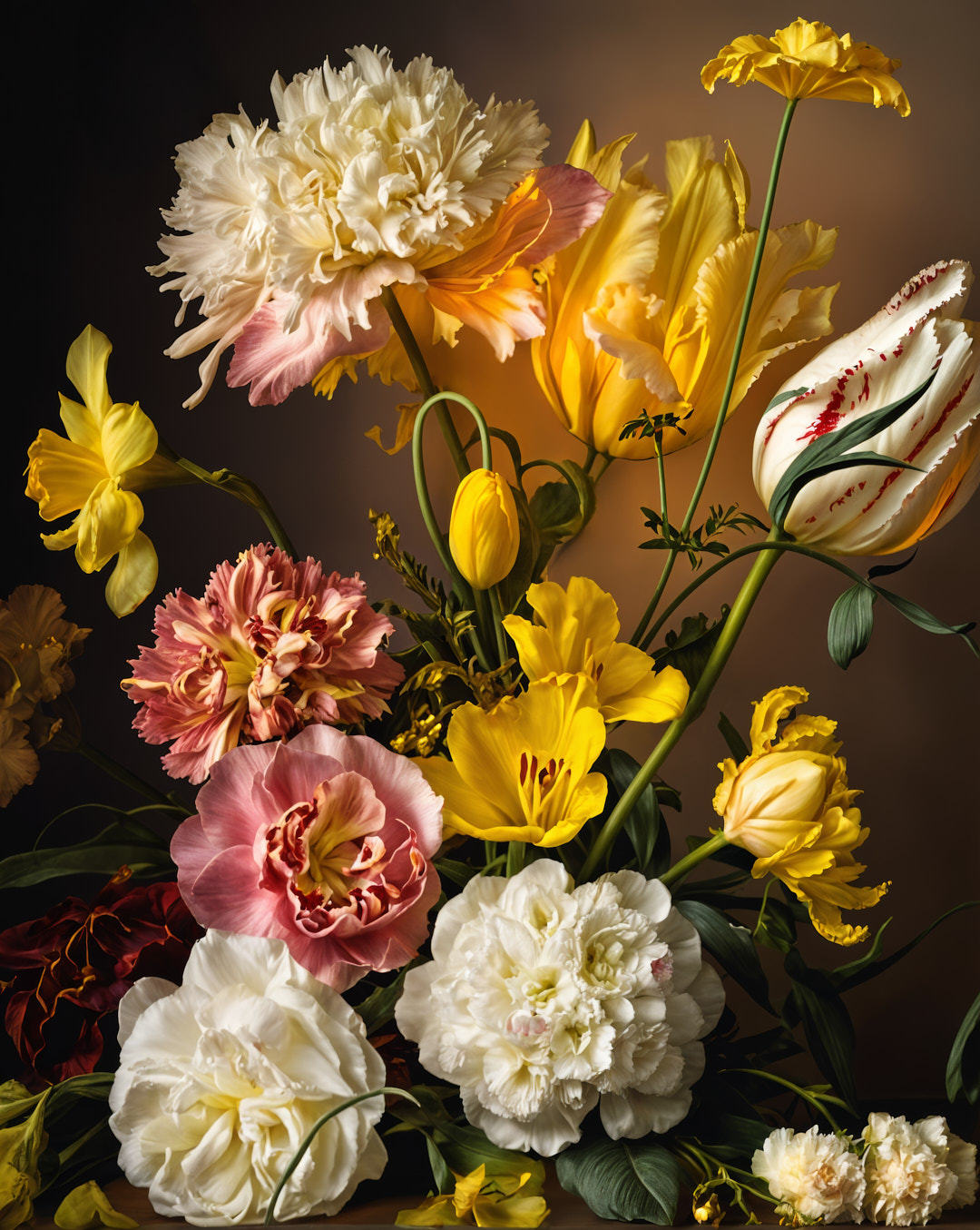
when compared to Banton’s staged floral compositions in series such as
Brutiful, is loose, improvisatory and fluid. Each work is the result of
experimentation and can never be repeated.
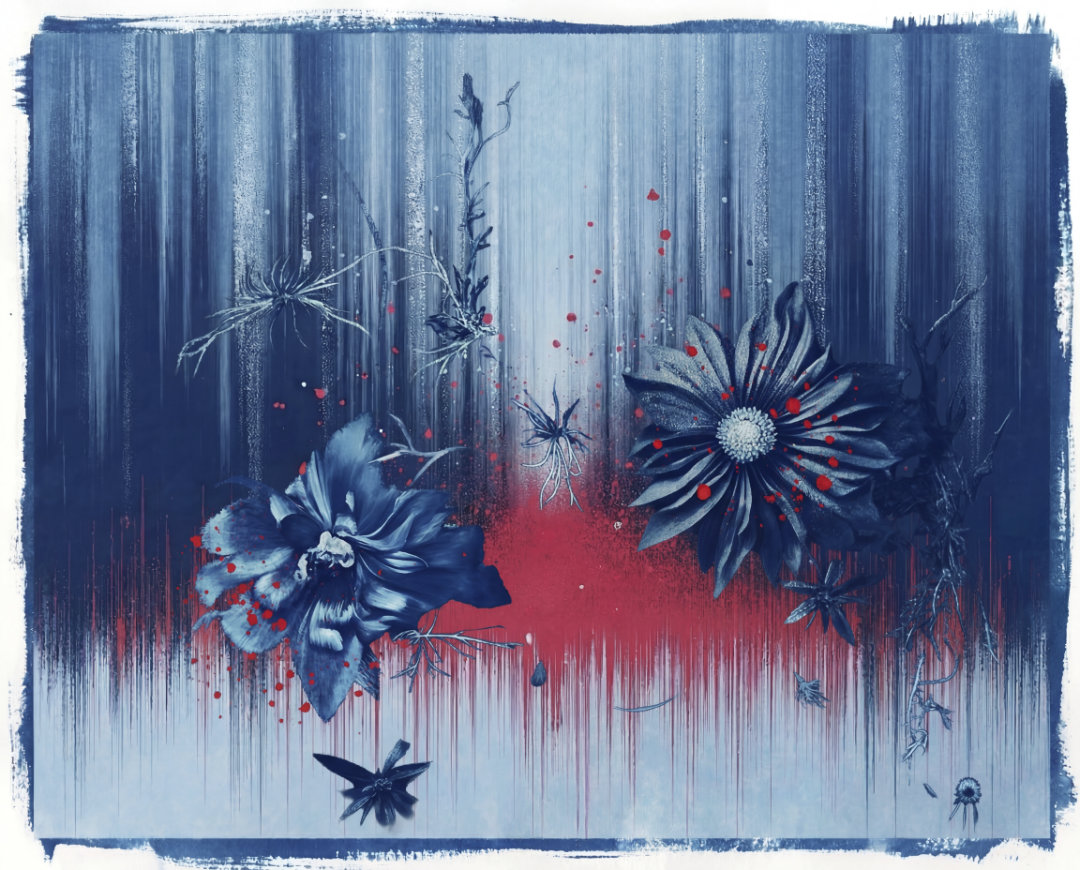
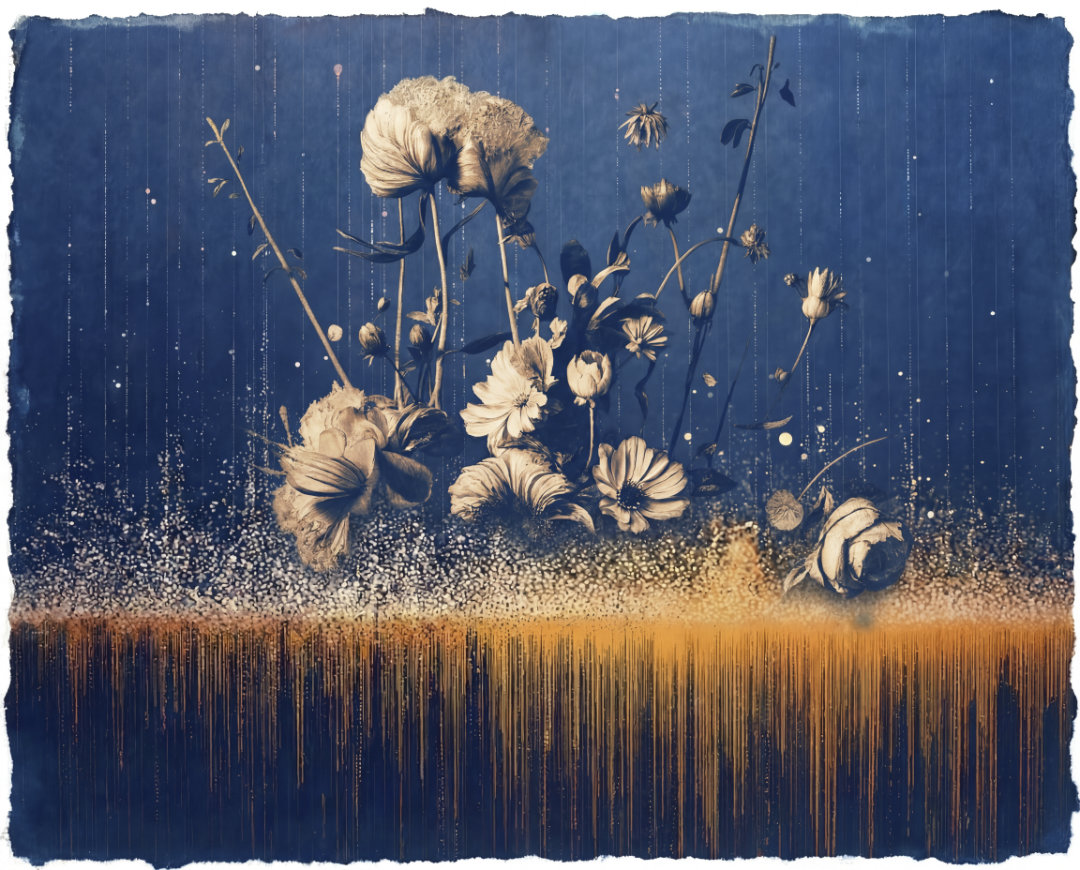
Kind of Blue (Frequencies I-III) extends Banton’s cyanotype experimentation
beyond the medium’s analogue origins and unites his two passions: flora and
sound. Each artwork begins as a handmade cyanotype created by exposure to
the sun outside the artist’s studio, but is then digitally scanned and layered with
data captured from the plant itself.
To capture that data, Banton attaches small sensors to the plant'
s leaves which can detect the subtle electrochemical signals they produce. These signals are
transmitted wirelessly and made visible through a spectrogram:
a visual map of the plant's unique frequencies.
That spectrogram is then overlaid onto the cyanotype of the same plant.
Shown together in one artwork, Banton reveals his
subjects’ physical form through light and their inner lives through sound.
Through this process, he is able to uncover aspects of the world around us that
are usually hidden, and demonstrates the role photography can play in
extending the limits of human perception.